Introduction
Retaining walls are more than simply a useful option for managing soil and avoiding disintegration; they're also an aesthetic enhancement to your landscape. Whether you're handling a high slope, producing terraced gardens, or simply seeking to enhance the total look of your home, hiring the ideal retaining wall specialist is important for attaining the wanted result. This guide will stroll you through whatever you require to know about employing a retaining wall specialist in your area, making sure that you make a notified decision.
What is a Keeping Wall?
Before diving into the specifics of working with a contractor, it's vital to comprehend what a retaining wall is and its different forms. A retaining wall is developed to hold back soil and avoid disintegration while supplying structural assistance. They can be found in different products, including:
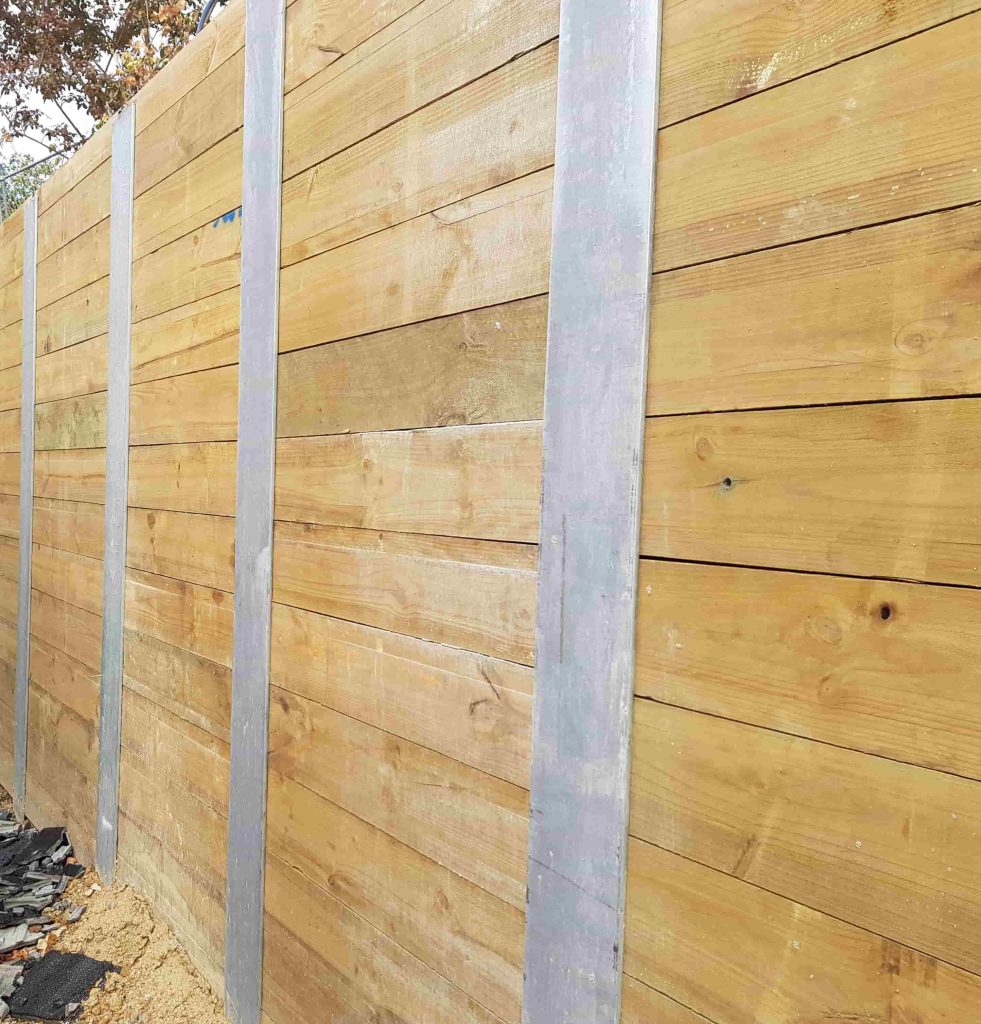
- Timber Sleeper Retaining Walls: Frequently made from dealt with lumber or recycled products, these walls are popular for their natural appearance and ease of installation. Concrete Sleeper Retaining Walls: Known for their toughness and strength, concrete sleepers can withstand significant pressure and last longer than other materials. Brick Retaining Walls: These walls provide a traditional appearance and can be personalized to fit various designs. Stone Retaining Walls: A natural choice that mixes effortlessly into landscapes, stone walls supply both functionality and beauty.
Understanding these options will help you interact efficiently with your chosen retaining wall contractor.
Why You Required an Expert Retaining Wall Contractor
1. Expertise in Style and Materials
A professional retaining wall specialist has the understanding to advise ideal products based on your specific landscape requirements. Whether it's picking in between timber sleeper or concrete sleeper keeping walls, their competence makes sure that the structure is not just practical but likewise aesthetically pleasing.
2. Code Compliance
Building guidelines often determine how retaining walls need to be built. A skilled retaining wall builder comprehends these codes and will ensure that your task abides by local regulations.
3. Danger Mitigation
Constructing a retaining wall involves numerous threats such as soil failure or water drainage problems. A competent contractor has experience managing these challenges effectively.
Your Go-To Guide for Working With a Retaining Wall Specialist Near Me
Finding the right specialist might seem daunting, however breaking down the procedure makes it workable. Here's how you can tackle it:
1. Research Local Contractors
Start by browsing online for "retaining wall contractor near me." Search for specialists with good evaluations and rankings on platforms like Google My Business or Yelp.
2. Request Recommendations
Word-of-mouth referrals from pals or household can lead you to reliable specialists who have actually formerly delivered excellent work.
3. Check Certifications and Experience
Ensure that the professionals you're considering have correct licenses and insurance coverage. Their experience should align with the particular type of retaining wall setup you need-- be it brick, stone, or concrete sleeper.
4. Request Quotes
Obtain comprehensive quotes from numerous contractors detailing labor expenses, product expenditures, and job timelines. This comparison will help you gauge market rates.
5. Review Portfolios
Ask possible professionals for portfolios showcasing previous jobs comparable to yours. Visual proof of their work can enhance your self-confidence in their capabilities.
6. Interview Candidates
Don't avoid asking questions throughout interviews; ask about their method to design, material selection, task timelines, and service warranty services offered post-installation.
The Value of Product Choice in Retaining Wall Construction
Choosing the best products can considerably impact both performance and visual appeals. Let's dive deeper into some popular choices:
Timber Sleeper Retaining Wall: Pros and Cons
- Pros: Environmentally friendly alternative; easy to install; cost-effective. Cons: Susceptible to rot; requires routine maintenance.
Concrete Sleeper Retaining Wall: Pros and Cons
- Pros: Lasting; resistant to weather conditions; very little upkeep required. Cons: Higher initial expenses compared to timber options.
Brick Retaining Wall: Pros and Cons
- Pros: Classic appeal; resilient; customizable. Cons: Labor-intensive installation; potential greater costs depending on design complexities.
Stone Retaining Wall: Pros and Cons
- Pros: Natural appeal; strong structural integrity. Cons: High cost; needs knowledgeable labor for installation.
Understanding these benefits and drawbacks makes it possible for house owners to collaborate efficiently with their picked retaining wall installer Melbourne when making decisions relating to construction materials.
How Much Does It Cost to Employ a Retaining Wall Contractor?
The expense of working with a retaining wall specialist differs widely based on numerous elements:
Type of Material Used: As seen above, wood might be more economical initially compared to stone.
Wall Size: Larger walls need more materials and labor time.
Site Preparation Needs: If substantial grading or earth-moving is required before installation starts, this will increase overall costs.
Labor Charges: Rates might vary based upon area (for instance, retaining wall installation Melbourne might differ in rates compared to backwoods).
On average, property owners might invest in between $15-- $50 per https://tuffstuffretainingwalls.com.au/ square foot for material expenses alone, plus additional labor charges varying from $40-- $100 per hour depending upon intricacy levels associated with your task scope.
FAQs About Employing a Retaining Wall Contractor Near Me
Q1: How do I find trusted retaining wall builders near me?
Q2: What permits do I require for my retaining wall project?
A2: Authorizations differ by location however normally consist of zoning clearance if over 4 feet high; speak with regional city regulations prior beginning construction work!
Q3: Can I set up a retaining wall myself?
A3: While DIY installations are possible depending upon intricacy level & & material option (e.g., timber), expert help makes sure safety & & code compliance especially if dealing with larger structures!
Q4: The length of time does it require to finish a common installation?
A4: The timeline varies based upon size & & complexity however generally ranges between 1-3 days as soon as excavation preparations are done adequately!
Q5: What maintenance is needed after installation?
A5: Routine assessments should happen every year inspecting drainage systems & & fixing any damage promptly extending lifespan significantly!
Q6: Will my home value boost after installing a brand-new retention system?
A6: Yes! A visually pleasing sturdy structure boosts curb appeal which equates directly into increased residential or commercial property values over time!
Conclusion
In conclusion, working with the right retaining wall contractor near you is vital when considering installing any type of retention system in your home! By comprehending types offered (timber vs concrete sleeper vs brick), evaluating credentials appropriately through research study techniques outlined previously in this guide-- you'll be equipped with everything required before taking that plunge towards transforming landscaping efforts into reality! Do not forget-- this investment not only secures against disintegration but increases visual appeal too-- making all those hours spent outside much more enjoyable understanding that hard work paid off tremendously!
So keep in mind-- take your time throughout choice procedures while keeping sight focused strongly ahead towards developing something remarkable together with professionals who share very same vision! Pleased building!